A real alternative, not a backup
India has depth in categories where US buyers have relied on one country: cotton bedding and bath, cushions and throws, tufted and woven rugs, accent furniture and decorative metal.
Veritas is an India-based sourcing, merchandising and quality partner for US retailers, brands and importers. We find and manage the right factories for home textiles, rugs, furniture and décor, and build US requirements into every order.
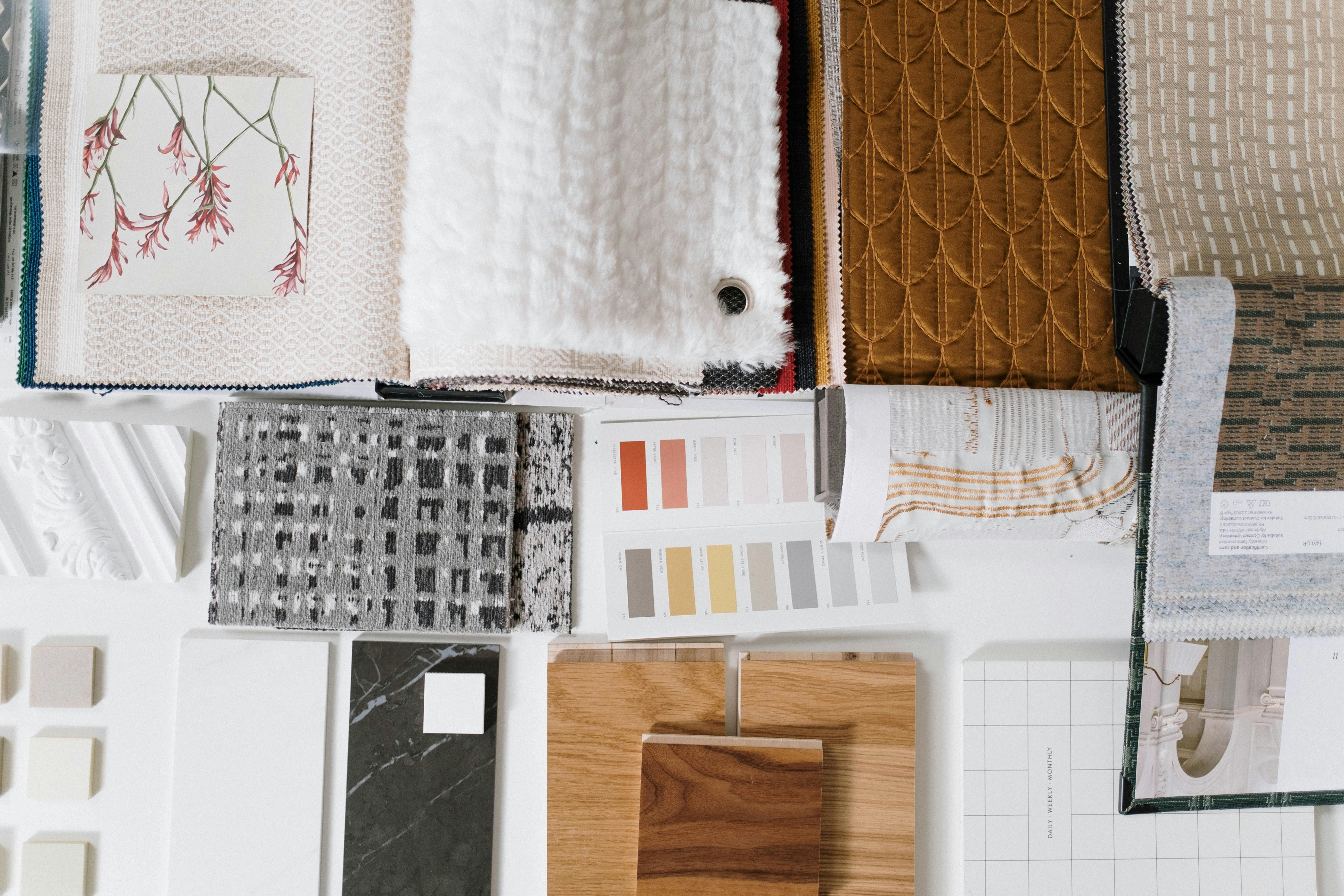
India is one of the few countries that can supply cotton textiles, handmade rugs, solid-wood furniture, metalware, glass and ceramics at retail scale from a single sourcing base.
India has depth in categories where US buyers have relied on one country: cotton bedding and bath, cushions and throws, tufted and woven rugs, accent furniture and decorative metal.
Hand-knotting, block printing, wood carving and metal casting sit alongside mechanised mills, so one programme can combine craft detail with consistent bulk production.
India grows its own cotton and has established supply for wool, jute, mango and acacia wood, brass and glass, which shortens the supply chain behind each product.
Tariffs have moved several times since 2025, so US buyers need current numbers when they cost a programme. This is where things stand.
As of November 2026 the US and India have not signed a trade agreement. The 18% rate announced in the February 2026 framework was not applied after the US Supreme Court ruled that IEEPA does not authorise tariffs.
Most Indian goods currently pay a 10% Section 301 duty, in place since 24 July 2026, in addition to the normal duty for the product's HTS code. The base rate differs widely between, say, cotton bedding and wooden furniture.
Separate Section 232 tariffs apply to certain metal and wood products and can change the landed cost of metalware and some furniture. We cost each item at HTS-code level before you commit.
Last reviewed November 2026. Duty rates and trade rules change; confirm the rate for your exact tariff code with your customs broker before costing an order.
Most compliance failures are specification failures. We write the applicable US requirements into the product brief and test plan at the sampling stage, and coordinate testing with the accredited lab you nominate.
What US buyers typically need for soft home goods.
Requirements that shape design and material choices early.
Any item designed for children 12 and under carries extra obligations.
Ceramics, glass and metal items that touch food need their own checks.
Indian home goods are made in specialised regional clusters, and capability varies sharply between them. Choosing the right cluster and the right factory within it decides cost, quality and lead time.
Panipat for throws, cushions, bath mats and rugs; Karur for kitchen and table linen; Bhadohi and Mirzapur for hand-knotted and hand-tufted carpets; Jaipur for block prints and flatweaves. Read our guides to home textiles and rugs and carpets.
Jodhpur for solid-wood and mixed-material furniture, Jaipur for painted and upholstered pieces, Saharanpur for carved wood. See the furniture buyer's guide.
Moradabad for brass and metalware, Firozabad for glass, Khurja for ceramics. Guides: metalware, glassware, ceramics and lighting and décor.
Plan the calendar backwards from your in-store date. These are indicative ranges; we confirm them factory by factory.
Depends on category and how much is new. Hand-knotted rugs and new furniture designs take longest; repeat textile constructions are fastest.
From approved sample and confirmed order. Handmade categories and peak season before Diwali need extra margin.
From Mundra or Nhava Sheva to US East Coast ports is usually faster than to the West Coast. Routing changes can add time, so we track bookings early.
Veritas works as your on-the-ground merchandising, sourcing and quality team in India. You deal with one partner; we manage the factories.
Assortment planning, supplier identification, factory evaluation, costing, sampling and approvals, with US requirements written into the specification from the start.
Daily vendor follow-ups, production calendars, in-line and mid-line inspections, and transparent reporting so problems surface while they can still be fixed.
Final inspection, shipment approval, documentation checks and consolidation planning, so goods leave India ready for US customs entry.
See the full list on our sourcing services page, or browse the home product categories we cover.
Short answers to the questions US buyers ask us most often.
As of November 2026, most Indian goods pay the normal duty for their HTS code plus a 10% Section 301 duty that has applied since 24 July 2026. Some metal and wood products also fall under Section 232 tariffs. Rates change, so confirm your exact code with a customs broker.
For cotton home textiles, rugs, solid-wood furniture, metalware, glass and ceramics, yes. India is weaker in categories that depend on large-scale plastics, electronics or highly automated assembly. Many US importers run India alongside existing suppliers rather than replacing them outright.
It varies by category and factory. Handmade products such as rugs and carved furniture often allow smaller runs, while mill-made textiles need larger quantities per colour. We match your volumes to factories of the right size instead of forcing a large mill to take a small order.
Quality is planned before production with clear specifications and approved samples, then checked through in-line and final inspections before shipment approval. When something goes wrong we run root-cause analysis and corrective actions with the factory.
Yes. We can manage follow-up, inspections and compliance for factories you already use, and introduce new suppliers only where there is a gap in capability, capacity or price.
Share your category, target price, volumes and destination. We will come back with a view on the right clusters, realistic lead times and how we would run the programme.
Sourcing for a US retailer, brand or import programme? Send us your category and requirements.
Partner With Us ↗